

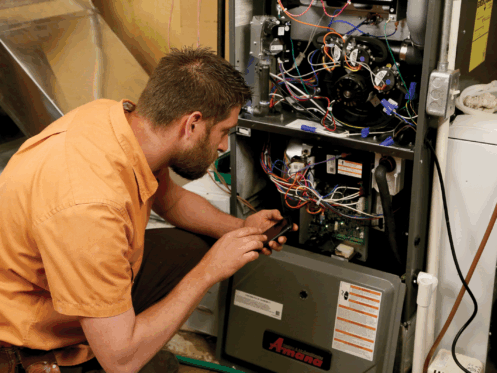
Tips for Knowing Whether to Repair or Replace Your Furnace
There’s no doubt that the winter months in Richmond, VA can get quite chilly. Having a reliable home heating system is a necessity to safely get through the season. If you have an aging furnace, it’s more likely to experience frequent issues than newer ones. You may be considering whether to repair your existing furnace or replace it. We’ll give you some practical advice to help you make a better-informed decision about what to do for your unique situation.
Key Signs of a Furnace Malfunction
Your furnace is a complex appliance that has a lot of internal components. A failure in just one of these components can completely disrupt the performance of your entire heating system. Sometimes the issue may be obvious, like when your system won’t start up at all. However, other times the issue may develop slowly over time. For example, your system may make an odd noise or produce a weird smell.
You may notice inconsistent heating or weak airflow coming from your vents. You may have rising energy bills, or your system may be short cycling. Anytime you experience something out of the norm with your heating system, it’s best to give us a call. It’s not a good idea to continue using a failing furnace, as doing so could lead to more internal damage.
Average Furnace Lifespans
The overall lifespan of your furnace will depend on numerous factors. One of the most impactful factors is its energy source. Furnaces that burn natural gas, heating oil, and propane typically last 15 to 20 years. Furnaces that run solely on electricity can last 20 to 30 years. These lifespan estimates are based on these systems receiving routine annual maintenance and prompt repair services whenever necessary.
Factors to Consider for Repair vs. Replacement
When your aging heating system malfunctions, there are a few different factors to take into consideration when determining whether to repair or replace it. Most HVAC professionals recommend the 50% rule. This states that if the cost of repairs is more than 50% of the price of a new unit, it’s best to purchase a new unit.
If your system is still under warranty, it’s typically most cost-effective to repair it. However, if its warranty has expired, you might want to consider a replacement.
If you have an older furnace that is experiencing multiple issues alongside inefficient heating, it’s likely time to upgrade. Additionally, if your existing system has a cracked heat exchanger that allows carbon monoxide to leak into your home, you need to replace it for your household’s safety.
Whenever you experience a problem with your heating system, you need a professional assessment. One of our technicians can thoroughly evaluate your furnace to determine the root cause of the problem. They will also be able to evaluate the overall state of your system so that they can determine whether repairing it or replacing it is the better option.
Things to Consider When Selecting a New Furnace
When you decide to replace your old furnace, there are a few key things you need to look for when selecting a new one. One of the most important is sizing. Ask one of our professional technicians to thoroughly evaluate your home to ensure proper furnace sizing.
While your house’s size plays a role in calculating this, so do other factors like your insulation and the number of doors and windows you have. One of our technicians will do a precise calculation to determine the exact size heating system you need to ensure efficient and safe operation.
Another factor to consider is the type of energy the appliance uses. Furnaces can run on natural gas, electricity, heating oil, and propane. If you recently had a natural gas hookup at your home, you may want to switch to using a natural gas furnace. This is because natural gas is typically cheaper to purchase than electricity or heating oil.
One other factor to consider is the efficiency rating of the furnace. Electric furnaces have the highest operating efficiency of 100%. Standard operating furnaces have an efficiency rating of 80% to 89%. High-efficiency units can operate at 90% to 98% efficiency. The higher the operating efficiency of the system, the less money you’ll spend on energy bills.
The Benefits of Furnace Replacement
Making the decision to upgrade your furnace comes along with many great benefits to enjoy. Replacing your furnace with a more modern one typically leads to enhanced operating efficiency. Newer furnaces have higher efficiency ratings than outdated units. You also have the option of purchasing a high-efficiency appliance that can further optimize your energy savings.
Upgrading your heating system can increase your household comfort by maintaining a more consistent indoor temperature. You’ll enjoy better indoor air quality and a reduced breakdown risk. A new furnace will come with a brand-new warranty, which can bring you peace of mind should you ever discover defective components.
A new heating system will increase the resale value of your home. You can typically take advantage of various rebates and tax incentives when you’re purchasing a high-efficiency heating system for your home. This can help offset some of the up-front cost that comes along with installing a new system.
How to Make Your New Furnace Last Longer
When you invest in a new heating system for your home, there are various things you can do to extend its lifespan. One of the most important is to schedule an annual tune-up. We recommend do this early in the fall before you need to rely on your heating system during the year’s coldest weather.
This service is necessary to maintain the warranty coverage on your system. It ensures safe and efficient operation going into the winter. This can go a long way in reducing your breakdown risk and ensuring that your system doesn’t experience excessive strain under cold winter conditions.
It’s also important to keep up with routine air filter changes. Whenever your furnace’s air filter gets too dirty, it restricts airflow throughout your ducting. This can increase the strain on the internal components of your heating system, leading to a shorter lifespan.
We recommend checking your furnace filter monthly and replacing it whenever necessary. Most homeowners find that they need to replace their furnace filter every two to three months. It’s also wise to consider duct cleaning service every three to five years and duct sealing every eight to 10 years.
Reliable Furnace Replacement Service
Davis & Green provides reliable furnace replacement services for the Richmond, VA community. We can also assist with all your furnace repair, new installation, and maintenance needs.
Call Davis & Green today for a replacement estimate.