

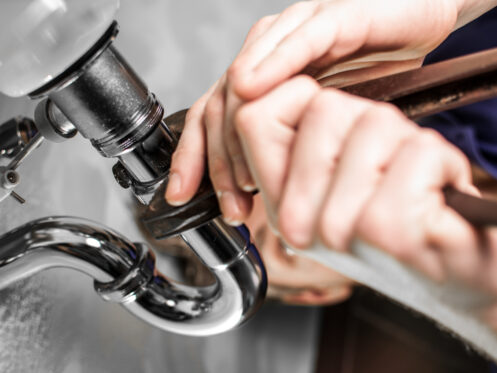
One plumbing leak may be an isolated repair. When leaks keep appearing in different areas of your home, however, the problem may go beyond a loose fitting or damaged section of pipe. Recurring leaks can be a warning that your plumbing system is aging and that more widespread deterioration is taking place.
For Richmond homeowners with older houses, repiping can provide a longer-term solution by replacing outdated or deteriorating water supply lines before they cause additional problems. Planning the project before winter can also give you more time to evaluate the system, understand the scope of work, and complete replacement before an aging pipe causes an unexpected failure.
If your home has old plumbing pipes, inconsistent water pressure, discolored water, or a history of repeated repairs, it may be time to look at the condition of the system as a whole.
Why Older Plumbing Pipes Can Become a Bigger Problem
Plumbing pipes are designed to last for years, but no piping material lasts forever. Age, corrosion, water conditions, installation quality, pressure, and other factors can gradually weaken a plumbing system.
Some older homes may also contain piping materials that are more prone to deterioration or have largely been replaced by newer options. Galvanized steel, for example, can corrode internally over time. Polybutylene piping installed in some older homes is also known for reliability concerns as it ages.
Even copper and other durable materials can eventually develop leaks due to corrosion, damaged joints, excessive pressure, or years of use.
A single pipe repair may solve an isolated problem. But if your plumber is repeatedly repairing different sections of the same aging system, those individual leaks may be symptoms of a larger issue.
Davis & Green provides professional plumbing services in Richmond, VA, including pipe repair, plumbing installation, inspections, and repiping services.
Signs It May Be Time to Consider Repiping
Repiping does not mean replacing pipes every time you experience a leak. The decision usually depends on the age and condition of the entire plumbing system, the pipe material, and the frequency of problems.
Signs that repiping may be worth discussing with a plumber include:
- Multiple or recurring leaks in different areas of the home
- Frequent pipe repairs over the past several years
- Low or inconsistent water pressure
- Rust-colored, brown, or otherwise discolored water
- Visible corrosion on exposed plumbing pipes
- Older piping materials with known reliability concerns
- Water temperature or pressure changes when multiple fixtures are used
- Increasing concern about hidden leaks behind walls or ceilings
Low water pressure by itself does not always mean you need a repipe. Clogged fixtures, valves, pressure regulators, or other plumbing problems can produce similar symptoms. A professional plumbing inspection can help determine whether the problem is localized or affects the larger water distribution system.
Why Plan a Repiping Project Before Winter?
The main reason to plan a repiping project before winter is not simply to prepare exposed pipes for freezing temperatures. Repiping addresses a different concern: whether aging or deteriorating supply lines should be replaced before they create more leaks, water damage, and emergency repairs.
If your plumbing system is already showing signs of widespread wear, scheduling the project ahead of the colder season gives you time to make a planned replacement decision rather than waiting for another pipe failure.
Benefits of planning a repipe ahead of time include:
- Reduced risk of an unexpected failure: Replacing deteriorated piping can help address vulnerable sections before another leak develops.
- Easier scheduling: A planned project gives you more control over timing than an emergency repair.
- Time to evaluate replacement options: You can discuss piping materials, system layout, and the extent of replacement before work begins.
- Time to plan access: Your plumber can identify where walls, ceilings, cabinets, or other areas may need to be opened.
- Better project preparation: You can review the scope, restoration needs, and expected disruption before the repipe starts.
Repiping is only one part of preparing a plumbing system for colder weather. For seasonal maintenance steps such as protecting outdoor plumbing and reducing freeze risks, see our guide to preparing the pipes and plumbing in your Richmond home for winter.
Recurring Leaks Should Not Be Ignored
When a leak happens, it is natural to focus on stopping the immediate water damage. Once the repair is complete, though, it is worth asking why the leak occurred.
If your plumbing system is relatively new and a fitting simply failed, a targeted repair may be all that is necessary. If your pipes are several decades old and leaks are beginning to appear repeatedly, continuing to repair them one section at a time may no longer be the most practical long-term approach.
Recurring leaks may also happen in areas you cannot easily see. A hidden plumbing leak can damage drywall, flooring, insulation, cabinets, and other parts of your home before you notice visible signs.
Looking at the condition of the plumbing system as a whole can help determine whether continued spot repairs make sense or whether replacement would provide a more comprehensive solution.
Repairing Individual Pipes vs. Repiping the System
Not every plumbing problem calls for whole-home repiping. A localized leak caused by a damaged fitting, isolated pipe section, or specific fixture connection can often be addressed with a targeted repair.
Repiping becomes more relevant when problems are no longer isolated. If leaks continue developing in different locations, corrosion is widespread, or the piping material itself is nearing the end of its useful life, replacing individual sections may only postpone the next repair.
A plumbing inspection can help identify how much of the system is affected and whether a partial or whole-home repipe is appropriate. This evaluation helps homeowners make a replacement decision based on the condition of the system rather than the latest individual leak.
What Happens During a Whole-Home Repipe?
A whole-home repiping project involves replacing aging water supply lines with new piping. The exact process depends on your home’s layout, the location of existing pipes, and how much of the system needs replacement.
Before work begins, your plumber should evaluate the existing plumbing and develop a clear plan for completing the project.
A repiping plan should typically address:
- Scope: Which supply lines will be replaced and what new piping material will be used.
- Access points: Where walls, ceilings, cabinets, or other areas may need to be opened to reach existing pipes.
- Timeline: How long plumbing work is expected to take and when water service may need to be temporarily shut off.
- Fixture connections: How sinks, toilets, showers, water heaters, and other plumbing fixtures will connect to the new system.
- Restoration expectations: Which openings will need drywall, painting, or other finish work after the plumbing portion of the project is complete.
Understanding these details ahead of time helps you know what to expect and makes it easier to prepare your home.
Plan Your Richmond Repiping Project With Davis & Green
Repeated leaks, aging pipes, and widespread corrosion can indicate that your plumbing system needs more than another isolated repair. A professional evaluation can help determine whether repiping makes sense and what portion of the system should be replaced.
Planning the work before an urgent failure gives you more time to understand your options, prepare for the project, and address deteriorating plumbing on your schedule.
Contact Davis & Green to schedule a plumbing evaluation and discuss repiping options for your Richmond home.