

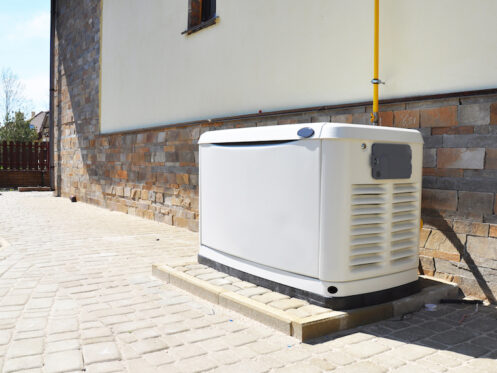
In the event of a power loss, a whole-home generator can take over and keep the lights on. Natural gas, propane, and diesel-powered models are available, so homeowners can choose one that best suits their needs. When these devices sense a power outage, they activate in a matter of seconds, ensuring that critical appliances continue to function. But problems might arise from things like fuel supply outages, mechanical difficulties, or lack of maintenance, so it’s important to check and service your generator often to make sure that it will be reliable in an emergency.
Understanding the Importance of Regular Maintenance
If you want your whole-house generator to work when the power goes out, you need to maintain it regularly. This includes things like checking and fixing bad electrical connections, faulty fuel systems, and dead batteries.
Preventative maintenance aids in the early detection of possible problems, such as fuel leaks or battery degradation, which helps avoid expensive breakdowns at the worst possible time. Examining the generator’s operation under load conditions to ensure that it can manage its rated capacity is another major component of routine maintenance.
1. Fuel Supply Issues: Types and Solutions
There are a number of potential causes of fuel supply problems with whole-house generators, such as gasoline contamination, leaks, or insufficient storage conditions. Common remedies include keeping fuel levels adequate, doing frequent tests and treatments to treat and prevent contamination, and making sure that there is enough ventilation to minimize the risk of leakage. Using gasoline stabilizers is another way to extend the fuel’s storage life.
To make sure the generator has fuel in the event of a power loss, you must follow the manufacturer’s instructions on fuel kind and storage. Proactively resolving fuel supply concerns increases the probability that the generator will function efficiently when required, supplying the residence with uninterrupted electricity.
2. Battery Problems and Backup Failures
During power outages, backup systems in whole-home generators will fail if the batteries die. Dead batteries, corroded terminals, and insufficient charging are some of the issues that can hinder the generator’s ability to start and run when necessary.
Maintaining dependable backup power requires routine inspection and testing of batteries. You’ll also need to clean the terminals and replace the batteries as required. By keeping an eye on battery life, checking connections, and charging batteries regularly, you can avoid backup failures.
3. Overloading and Circuit Breaker Tripping
If you want to keep the electricity on during emergencies and reduce the likelihood of circuit breakers tripping, it’s important to check the generator’s capacity and match it to the loads that you’re connecting them to. Problems with overloading can cause circuit breakers to trip on whole-house generators during power outages. This happens when there is a surge in electrical demand from connected appliances or systems, causing the generator to surpass its capacity.
To avoid overloading and keep the generator running safely, proper load management is essential. One way to address these concerns is to implement load management devices or make adjustments to appliance usage when the generator is running.
4. Common Generator Starting Issues
Most of the time, a generator won’t start because the battery is dead or weak. One way to avoid this is to replace the batteries regularly. Stale fuel or blocked fuel lines are examples of fuel delivery issues that might make starting difficult. This is why you need to have a professional check and repair the fuel system regularly.
The generator may also have trouble starting if there is a problem with the spark plugs, air filter, or starter motor. Maintaining and replacing these parts regularly can increase the chances that your generator will work reliably in the event of a power loss.
5. Cooling System Failures
Overheating and engine damage can occur in whole-home generators if the cooling system fails. This can happen because of coolant leaks, clogged radiators, or broken cooling fans. Coolant leaks can occur because of worn hoses and connectors. Blockages in radiators, caused by dirt and debris, reduce cooling efficiency by obstructing the flow of coolant. A broken cooling fan makes it impossible for the generator to stay cool. Overheating can ruin a generator’s performance, so it’s important to check the coolant levels, clean the radiator, and make sure that the fan is working properly.
6. Voltage Regulation Problems
Issues with the whole-house generator’s voltage control can cause an unstable power supply, which in turn might damage or impair the functionality of any connected equipment. The automated voltage regulator (AVR), which regulates the voltage output of the generator, is usually the culprit when these problems occur. Signs include lights that flicker or dim, appliances that act erratically, and circuit breakers that trip frequently.
To fix issues with voltage regulation, check and test the AVR often to make sure that it’s working properly. Immediate replacement of a malfunctioning AVR can avert additional harm. To achieve steady voltage output and guarantee dependable power transmission to your home, it’s also important to keep the electrical connections within the generator clean and safe.
7. Noise and Vibration Issues
Problems with whole-house generators’ noise and vibration levels can be annoying and a sign of more serious technical concerns. Possible causes of excessive noise include loose parts, worn-out bearings, or insufficient insulation. Uneven or misaligned components are also a common source of vibration problems, which can hasten component breakdown.
Regular maintenance inspections, such as checking for wear and loose parts to tighten, can help reduce the likelihood of these issues. It can also be helpful to install enclosures that reduce noise or vibration. In addition to making the space more pleasant, taking care of vibration and noise quickly increases the generator’s life expectancy and keeps it running efficiently.
8. Generator Exhaust and Ventilation Concerns
To ensure the safe and efficient operation of whole-house generators, it is vital to have proper exhaust and ventilation. Carbon monoxide buildup is a serious problem that can occur because of exhaust problems such as obstructions, leaks, or broken exhaust components. Overheating and decreased performance can result from placing the generator in a cramped or poorly ventilated space.
In order to take care of these issues, check and clean the exhaust system frequently. Also, your electrician should install the generator in an area with enough ventilation, and follow the manufacturer’s instructions about clearance and airflow.
9. Transfer Switch Problems
Damage to connected equipment or power outages could result from transfer switch issues that prevent the smooth transition from grid to generator power. Wiring problems, broken switches, and inappropriate setup are all potential causes of these problems. Because of these issues, the generator may not be able to engage or disengage properly, which might cause power outages.
Make sure that a skilled expert inspects and maintains the transfer switch regularly to reduce the likelihood of issues. Following the manufacturer’s instructions to the letter is essential for a successful installation. If you test the transfer switch often, you can find problems before they become functionally prohibitive.
Davis & Green is here to answer any questions that you have about whole-home generators in Richmond, VA. We work on HVAC systems, generators, pipes, sump pumps, electric panels and so much more. Give us a call now to schedule a generator repair for your home.
Seasonal Generator Care Checklist
Use this routine to reduce nuisance failures and keep backup power ready.
- Test run your unit under load and confirm transfer operation.
- Keep the area around the generator clear of debris and vegetation.
- Check oil level, air filter condition, and battery connections.
When It Is Time To Talk To a Pro
Repeated starting problems, unstable output, or alarms are signs to schedule service. See local options for generator installation and service in Richmond, generator services in Chesterfield, and ongoing generator maintenance.