

If you need electrical trenching services in Manakin-Sabot, VA, Davis & Green can get the job done. We also provide underground cable trenching. Our company uses minimally invasive methods and clean up when we’re done so that properties can recover quickly. Whether you need work done at a residential or commercial site, our electricians will help you plan and execute your project.
Electrical Trenching Services in Manakin-Sabot, VA
$100 OFF
Panel Change Or Upgrade. Call For More Details!

"Knowledgeable technicians. Professional appearance and manners. I wouldn't hesitate to hire them again." - Diane J.
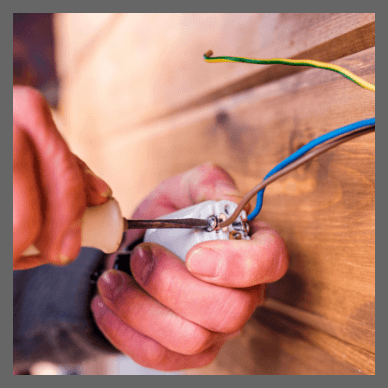
Manakin-Sabot Electrical Trenching Services
Underground cable trenching effectively supplies electrical service to a location. By placing cables and electrical lines underground, we significantly protect them from severe weather. This method also minimizes the risk of physical damage by distancing cables from vehicles, animals, and people. If you are concerned about systems prone to electromagnetic interference, opting for underground cabling effectively safeguards them. Systems experience less wear and tear, and underground solutions typically lower long-term maintenance costs.
Putting electrical systems underground offers several indirect benefits, including enhancing property values and extending service life. Concealing cables provides significant aesthetic advantages by eliminating visible wires and poles. If your property has limited space, you can create more overhead room by placing the cabling in a trench.
Electrical trenching services have plenty of excellent use cases:
- Historic districts
- Severe weather areas
- High-voltage transmission
- Luxury properties
- Connecting EV chargers
Schedule trenching projects during dry seasons when ground conditions are optimal. This will speed up the process and reduce complications from wet or frozen soil. We begin the process of installing underground cabling by locating existing underground infrastructure. Our electricians use available data and locating equipment to ensure that your planned trench doesn’t interfere with or pose a danger to plumbing, water, or gas lines. We also confirm that the planned project does not intersect with any existing electric lines.
We prioritize safety in every trenching project we handle. Our team adheres to all NEC (National Electrical Code) and local regulations, obtains any required permits, and uses proper personal protective equipment (PPE) during work. We also mark and secure the worksite to ensure safety for residents and workers. We employ low-impact trenching techniques that minimize soil disruption and maintain existing landscaping whenever possible. After completing the project, our team efficiently restores the area to its original condition.
Typical trenches measure between 18 and 36 inches deep. Residential trenches are usually less than twelve inches wide, while commercial trenches range from 12 to 24 inches wide. We install a conduit in the trench to protect the cabling. Our electricians run the lines into the conduit and connect them to a junction box, ensuring maximum accessibility, connectivity, safety, and convenience. After testing the trench lines, we backfill and compact the soil.
Underground cables save money over time because they experience fewer outages and require less frequent maintenance than overhead systems. Their durability also reduces the likelihood of emergency repairs, particularly in areas with frequent storms or wildlife interference.
Quality Underground Cable Trenching
Since 1984, Davis & Green in Manakin-Sabot has proudly provided excellent service. Our A+ BBB rating reflects our commitment, and we have maintained full accreditation for over a decade. When you research our business online, many reviews showcase our team members and their high-quality work. Our company actively participates in the community and offers financing for underground cable trenching installations, subject to credit approval. We also provide free estimates.
Manakin-Sabot households and businesses can quickly improve their locations with electrical trenching services. Contact Davis & Green today.
Explore all of our professional electrical services.
Contact Davis & Green Today!